
Table of Contents
- What a Plea Bargain Offer Actually Means for Your Case
- Step-by-Step: What to Do the Moment You Receive an Offer
- Questions to Ask Your Lawyer About a Plea Deal
- Plea Bargain Pros and Cons: Weighing the Trade-Offs
- What Happens If You Reject a Plea Bargain
- Consequences of Pleading Guilty Beyond Your Sentence
- Conclusion: Making an Informed Decision on Your Plea Bargain Offer
- Frequently Asked Questions
Last Updated: October 14, 2026
What a Plea Bargain Offer Actually Means for Your Case
A plea bargain offer is a proposal from the prosecutor: you give up your right to trial and plead guilty, and in exchange you get reduced charges, a lighter sentence, or both. In this guide, Echemendia Law Firm breaks down how to handle a plea bargain offer so you can make a decision based on facts, not fear.
Most criminal cases never reach a jury. Prosecutors make these offers because they want cases resolved quickly and convictions they can count on. Defense attorneys take them seriously because trials carry real risk.
But an offer is not an order. You can accept it, reject it, or push back with a counteroffer. The choice is yours, and it should never be rushed.
Charge Bargaining vs. Sentence Bargaining
Plea deals usually fall into two types.
Charge bargaining means the prosecutor reduces or drops charges. For example, a felony may be lowered to a misdemeanor, or one count may be dismissed.
Sentence bargaining means the charge stays, but the prosecutor recommends a specific sentence. That might be probation instead of jail, or a shorter term.
Some plea agreements combine both. The judge still has to approve the final terms at a plea hearing.
Step-by-Step: What to Do the Moment You Receive an Offer
The moment you receive a plea bargain offer, stop and slow down. Your first move is not to answer. It is to gather information.
Here is the practical response we walk clients through:
- Say nothing on the record. Do not accept or reject anything in court or to police.
- Write down the exact terms: charges, sentence, fines, and conditions.
- Ask for the offer in writing.
- Call your defense attorney before your next court date.
- Ask what evidence the state has against you.
- Ask what happens if you reject the offer.
- Set a deadline to decide with your lawyer.
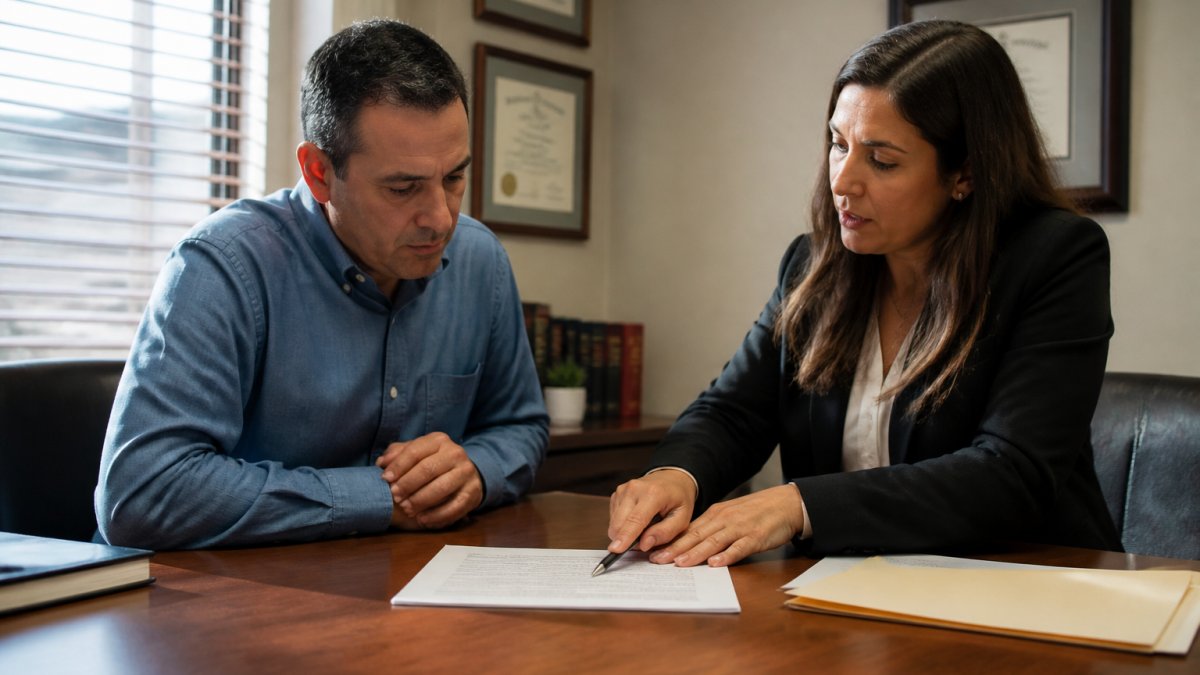
Do Not Accept or Reject on the Spot
Prosecutors often pressure defendants to decide immediately. That pressure is a tactic, not a rule.
You have the right to consult a criminal defense lawyer before answering. A rushed guilty plea is one of the most common mistakes we see. Once you plead guilty, taking it back is hard.
Never accept a plea bargain offer in open court without your attorney reviewing the terms first. A guilty plea is on your record permanently, and withdrawing it later requires proving a legal defect, not just regret.
Questions to Ask Your Lawyer About a Plea Deal
Questions to ask your lawyer about a plea deal should cover the evidence, the risks, and your alternatives. A good attorney welcomes them.
Ask these before you decide:
- What can the state actually prove at trial?
- What is the maximum sentence if I lose at trial?
- Is this offer standard, or can you negotiate better terms?
- What collateral consequences come with this plea?
- Can the offer be withdrawn, and by when?
- What happens at the plea hearing?
- Do I have a real defense worth pursuing?
If your lawyer cannot answer these clearly, that is a red flag. At Echemendia Law Firm, our team includes a former Assistant Public Defender who has seen these negotiations from both sides of the table.
Plea Bargain Pros and Cons: Weighing the Trade-Offs
The plea bargain pros and cons come down to certainty versus risk. A plea gives you a known outcome. A trial gives you a chance at acquittal, but also a chance at the harshest sentence.
Benefits of accepting a plea bargain:
- A guaranteed, predictable outcome
- Reduced charges or a lighter sentence
- Lower legal costs and less time in court
- A faster resolution so you can move forward
Risks and disadvantages:
- A permanent guilty plea on your record
- No trial, so no chance to challenge weak evidence
- Collateral consequences like lost jobs or housing
- Pressure to accept terms you have not fully reviewed
The strength of the case matters most. If the evidence against you is thin, trial may be worth it. If it is overwhelming, a negotiated deal often protects you better.
| Situation | Better Option | Why |
|---|---|---|
| Weak evidence against you | Consider trial | A guilty plea gives up your best defense |
| Strong evidence, serious charge | Negotiate a plea | A deal may cut the sentence sharply |
| First offense, minor charge | Push for diversion | Charges may be reduced or dismissed |
| Prior record, felony charge | Negotiate carefully | Trial risk is high; terms matter most |
The best plea bargain offer is not always the first one. Counteroffers are common, and prosecutors often improve terms when your attorney pushes back with the weaknesses in their case.
What Happens If You Reject a Plea Bargain
If you reject a plea bargain, your case moves toward trial. But the details of how an offer expires, changes, or gets withdrawn matter as much as the decision itself. This is where most general guides stop, and where the practical risk lives.
Offers Have Deadlines, and They Vary
A plea offer is not open indefinitely. Prosecutors set deadlines, and those deadlines vary widely, some offers expire in days, others stay open until a set court date. There is no universal rule. What matters is that you confirm the deadline in writing and calendar it. If you miss it, the offer may be gone.
Get the Terms in Writing
Verbal terms discussed in a hallway or courtroom can change. Ask for the offer in writing, or have your attorney send a written summary of the terms and ask the prosecutor to confirm. A written record protects you if the terms are later disputed.
Offers Can Be Withdrawn or Changed
- Prosecutors can revoke an offer at any time before you formally accept it in court.
- A rejected offer may be revived later, but usually with tougher terms, for example, a higher charge or a longer recommended sentence.
- New evidence, a new prosecutor, or a change in the case posture can all change the offer.
What Rejection Actually Triggers
Rejecting does not guarantee a harsher outcome. It means you are betting on your defense. That bet only makes sense when the evidence is weak or the offer is unfair. After rejection, the case typically proceeds through:
- Pre-trial motions (suppression, discovery disputes, and similar issues).
- Plea cutoff dates set by the court.
- Trial, where you keep your rights, including the right to remain silent and the right to confront witnesses.
Confirm the Mechanics Before You Say No
Ask your attorney these questions before rejecting:
- What is the exact deadline on this offer?
- Can I get the terms in writing?
- If I reject, can the offer be revived, and on what terms?
- What is the court’s plea cutoff date?
- What happens to my case between now and trial?
Rejecting a plea is a strategy decision, not a gut call. Confirm the deadline, get the terms in writing, and understand what happens next before you answer.
Consequences of Pleading Guilty Beyond Your Sentence
The consequences of pleading guilty go far beyond jail time or fines. A guilty plea follows you long after the courtroom, and many defendants never hear these risks until it is too late.
Collateral consequences are the civil penalties that attach to a conviction. They are not part of your sentence, and the judge is generally not required to warn you about all of them. They depend heavily on the jurisdiction, the charge, and your personal circumstances.
Immigration Consequences
For non-citizens, a guilty plea can be the single most damaging event in the case. Under federal immigration law, certain convictions are classified as “aggravated felonies,” “crimes involving moral turpitude,” or controlled-substance offenses, and each category carries different removal (deportation) consequences. A plea to a charge that looks minor under state law can still trigger mandatory detention or removal. The Supreme Court held in Padilla v. Kentucky (2010) that defense counsel must advise non-citizen clients about the deportation risk of a plea.
Employment, Licensing, and Housing
- A criminal record is visible to many employers and landlords through background checks.
- Professional licenses (nursing, teaching, law, real estate, and others) can be suspended or revoked, often through an administrative process separate from the criminal case.
- A commercial driver’s license may be disqualified, ending a career in transportation.
- Public housing authorities and some private landlords screen for convictions, and a plea can lead to denial or eviction.
Firearm Rights
A conviction for a felony, and for certain misdemeanors such as domestic-violence offenses, can permanently bar you from possessing a firearm under federal law (18 U.S.C. § 922(g)). Restoration of firearm rights varies by jurisdiction and is often difficult.
Education, Benefits, and Family
- Federal student aid can be suspended for drug convictions under the FAFSA rules, though the scope has narrowed in recent years.
- Public benefits such as housing assistance and some cash programs can be affected.
- A conviction can be used against you in a child custody or divorce proceeding.
How to Check What Applies to You
Ask your lawyer to list every consequence that applies to your situation before you sign anything. Because these rules vary by jurisdiction and by charge, a general list is not enough, you need a case-specific answer.
The U.S. Department of Justice publishes resources on how federal pleas and sentencing work. For state cases, reviewing Florida court self-help resources can clarify how plea hearings and court approval work.
A guilty plea is on your record permanently. Collateral consequences can last longer than any jail sentence, and some, such as deportation or a lifetime firearm ban, cannot be undone.
Conclusion: Making an Informed Decision on Your Plea Bargain Offer
Deciding how to handle a plea bargain offer is one of the most important choices in a criminal case. A rushed decision can cost you years. A careful one protects your future.
At Echemendia Law Firm, we bring over 20 years of experience and a former Assistant Public Defender’s insight to every plea negotiation. We review the evidence, challenge weak cases, and negotiate terms that protect your rights. We offer a free consultation, so you can get real answers before you decide.
Frequently Asked Questions
Can you reject a plea offer and go to trial?
Yes. You have the right to reject any plea bargain offer and take your case to trial. Rejecting an offer does not automatically mean the prosecutor will file more severe charges, but it does mean your case moves toward trial or continued negotiation. Before rejecting, ask your defense attorney to walk you through the strength of the evidence against you, the likely sentence if convicted at trial, and whether a counteroffer makes more sense. The decision is yours, not your lawyer’s, and it should be made with full information.
What should you consider before accepting a plea bargain?
Three things matter most: the strength of the evidence against you, the sentence you face if convicted at trial versus the sentence in the offer, and the collateral consequences of pleading guilty. Collateral consequences can include loss of a professional license, immigration issues, loss of firearm rights, and a permanent criminal record. Ask your lawyer to compare the offer with the likely trial outcome side by side. If the offer is close to what you would likely get at trial, the risk of trial may not be worth it.
Can you withdraw a guilty plea after accepting a plea bargain?
In limited situations, yes. A defendant can sometimes withdraw a guilty plea before sentencing if there is a fair and just reason, such as ineffective assistance of counsel or a misunderstanding of the terms. After sentencing, withdrawal is much harder and typically requires showing a manifest injustice. Courts also allow withdrawal if the prosecutor violated the plea agreement. If you are having second thoughts after entering a plea, contact your defense attorney immediately, because timing matters.
What happens at a plea hearing?
At a plea hearing, the judge reviews the plea agreement with you directly. The judge will confirm that you understand the charges, the rights you are giving up, including the right to a jury trial and the right to remain silent, and that your plea is voluntary. The judge will also confirm there is a factual basis for the plea. If the judge accepts the plea, sentencing may happen the same day or at a later hearing. If the judge rejects the agreement, you may be allowed to withdraw your plea.