
Table of Contents
- What Happens at a Criminal Hearing and Why Preparation Matters
- Step 1: Review Your Case File and Gather Your Evidence
- Step 2: Build Your Defense Strategy With a Criminal Defense Lawyer
- Step 3: Prepare Yourself for the Courtroom
- Hearing-Day Checklist: What to Say and What Not to Say
- Remote Hearings, Accessibility Needs, and Missing a Court Date
- Conclusion
- Frequently Asked Questions
Last Updated: October 21, 2026
What Happens at a Criminal Hearing and Why Preparation Matters
A criminal court hearing is a scheduled court proceeding where a judge addresses specific issues in your case, from bail to pretrial motions, without a full trial.
This guide from Echemendia Law Firm breaks the process into three clear steps. We have spent over 20 years defending clients in Polk County courtrooms.
Here is the part most guides miss. A hearing is not a trial, but it is not a casual meeting either. Judges form impressions fast.
Hearing vs. First Appearance vs. Pretrial Hearing vs. Trial
These four proceedings serve very different purposes, and mixing them up is a common mistake.
- First appearance: Your first time before a judge, usually within hours of arrest. The judge reads charges and sets bail.
- Arraignment: You formally enter a plea of guilty, not guilty, or no contest.
- Pretrial hearing: A working session on evidence, motions, and plea negotiations. Most criminal cases resolve here.
- Trial: The formal proceeding where the prosecution must prove its case beyond a reasonable doubt.
Knowing which one you are walking into tells you how to prepare. A first appearance needs almost no documents. A pretrial hearing may need everything.
Ask the court clerk exactly which type of hearing is on your docket. The notice you received may only say “hearing,” and that single word can cover any of the four proceedings above.
Step 1: Review Your Case File and Gather Your Evidence
Start by getting your hands on the case file and reading every page. In most jurisdictions, your defense attorney can obtain the discovery packet, which includes the police report, witness statements, and any physical or digital evidence the prosecution plans to use.
Read it with a pen. Note inconsistencies, missing details, and anything that contradicts the charges. This is where defense strategy actually begins.
What to Bring to Court as a Defendant
Bring more than you think you need, organized in a single folder:
- Your hearing notice and any court paperwork
- A valid photo ID
- Your attorney’s contact information
- Any documents your lawyer asked you to collect
- A notebook and pen for notes
Leave everything else at home. Cell phones may be confiscated at security, and anything that could look like a weapon will cause problems at the door.
A common mistake is showing up with a shoebox of loose receipts and photos. Organize documents chronologically, label them, and make copies. Judges and prosecutors respond better to a defendant who is clearly taking the process seriously.
Step 2: Build Your Defense Strategy With a Criminal Defense Lawyer
The best defense strategy is built before the hearing, not during it. That means sitting down with a criminal defense lawyer, reviewing the evidence together, and deciding what you are asking the court to do and why.
For a pretrial hearing, your lawyer may file motions to suppress evidence, challenge a search, or negotiate a plea agreement with the prosecuting attorney. Each of those moves requires groundwork.
Questions to Ask a Criminal Defense Lawyer Before Your Hearing
Use these questions in your first meeting:
- What is the specific purpose of this hearing?
- What are the possible outcomes, and which is most likely?
- Will I need to speak, or will you speak for me?
- What documents should I bring?
- Is a plea agreement on the table, and what would it mean for my record?
- How should I dress and behave in front of this judge?
A lawyer who cannot answer these directly is not the right fit.
Do not discuss your case with the prosecutor, witnesses, or anyone else before consulting your attorney. Offhand comments can be used against you, and they are nearly impossible to take back.
Step 3: Prepare Yourself for the Courtroom
Preparation is not just paperwork. It is how you carry yourself, how you answer questions, and how you handle the pressure of a courtroom. This is where most defendants lose ground, not because they lied, but because they talked too much or answered a question they did not understand.
How to Answer the Judge
Judges ask short questions and expect short answers. A few rules carry most of the weight:
- Answer only the question asked. If the judge asks whether you understand the charge, say yes or no, do not explain your version of events.
- Do not guess. “I don’t know” and “I don’t recall” are acceptable answers. Guessing under oath can be treated as a lie even when you meant no harm.
- Ask for clarification. “Your Honor, could you repeat the question?” is always allowed and always better than answering the wrong question.
- Ask to consult your attorney. If you are unsure how to answer, say: “Your Honor, may I speak with my attorney before answering?” Judges routinely grant this.
- Do not interrupt. Wait until the judge or your attorney finishes speaking. Interrupting a judge is one of the fastest ways to damage the impression you make.
What Not to Do in the Courtroom
- Do not argue with the prosecutor or with witnesses, that is your lawyer’s job
- Do not roll your eyes, sigh, or shake your head at testimony; the judge can see you
- Do not talk to the prosecutor, witnesses, or co-defendants in the hallway
- Do not post about your case on social media before, during, or after the hearing
- Do not leave the courtroom until the judge says you may
Arrival, Decorum, and the Impression You Make
Arrive early. Aim for 30 minutes before your scheduled time. You will pass through security, find your courtroom, and settle your nerves. Being punctual signals respect for the court, and judges notice.
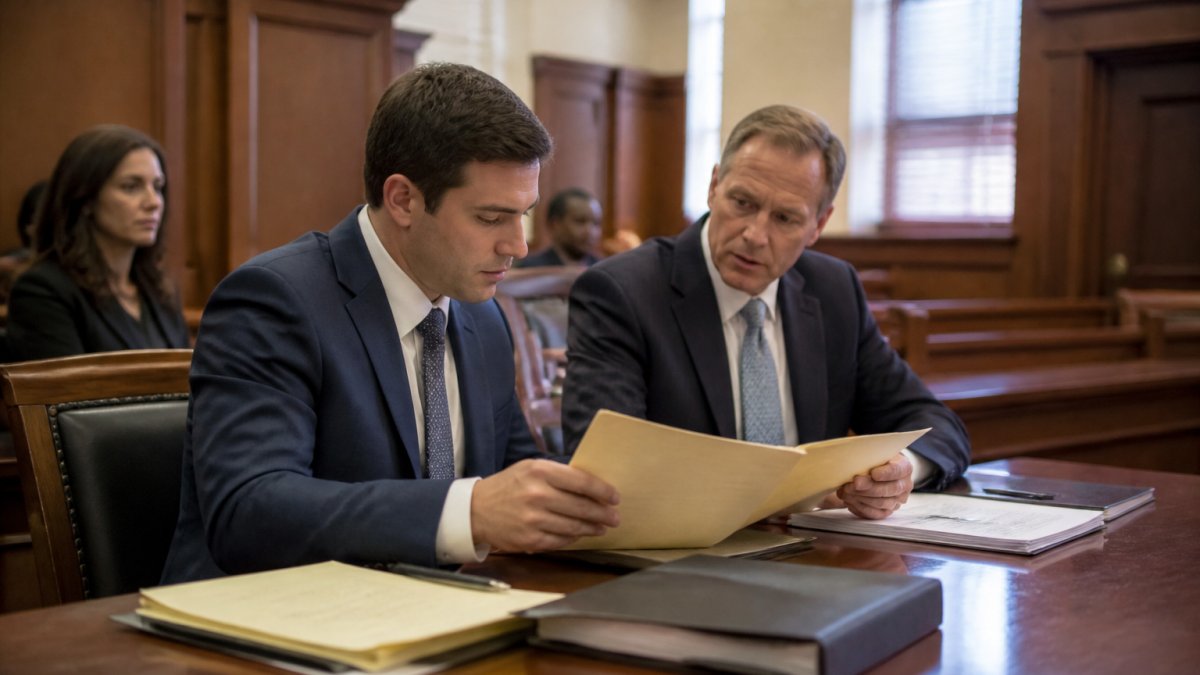
Dress professionally, speak only when spoken to, and stay calm even if testimony or statements frustrate you. Remain polite to court staff, the judge, and the prosecution.
What to Wear to Criminal Court
Wear conservative, clean, and modest clothing. For most people, that means:
- A suit or dress shirt with slacks
- Closed-toe shoes, polished
- Neutral colors: navy, gray, black, white
- Minimal jewelry and no visible tattoos if you can cover them
Avoid hats, sunglasses, athletic wear, and anything with logos or slogans. The goal is simple: look like you take the hearing seriously.
Hearing-Day Checklist: What to Say and What Not to Say
Use this checklist the morning of your criminal court hearing. It keeps you focused and prevents the small mistakes that create big problems.
Before You Leave Home
- Confirm the time, courtroom number, and judge on your hearing notice
- Check the court’s website or call the clerk to confirm the hearing has not been moved or continued
- Eat a real meal and take prescribed medication
- Pack your folder, photo ID, and hearing notice
- Charge your phone, but plan to silence and stow it
At the Courthouse
- Arrive 30 minutes early, security lines move slowly
- Expect a metal detector and bag search; leave pocketknives, tools, and anything that could be treated as a weapon at home
- Silence your phone before entering the building; many courthouses restrict phone use and some confiscate devices at the door
- Find your courtroom and check the docket sheet posted outside the door
- Sit in the gallery until your case is called; do not approach the bench or the well of the court uninvited
When Your Case Is Called
- Stand when the judge enters and when your case is called, unless told otherwise
- Speak only when addressed by the judge
- Address the judge as “Your Honor”
- Answer questions directly, without guessing
- Say “I don’t know” or “I don’t recall” when that is true
- Ask the judge for permission to consult your attorney if you are unsure how to answer
What Not to Say
Do not volunteer information, argue with the prosecutor, speculate about evidence, or make promises about future behavior unless your lawyer advises it. Do not apologize for the crime unless your attorney has specifically planned that statement. Do not discuss your case in the hallway, the elevator, or the parking lot, opposing parties and witnesses are often nearby, and anything you say can be repeated in court.
If Your Hearing Is Remote
Many courts now hold hearings by video or phone. Treat a remote hearing like an in-person one:
- Join 10-15 minutes early to test your camera, microphone, and connection
- Sit at a table in a quiet, private room with a plain background, not a car, a coffee shop, or a shared office
- Dress as you would for an in-person appearance, from head to toe
- Have your folder, ID, and hearing notice in front of you
- Mute yourself unless you are speaking, and do not move around or multitask on camera
- Confirm the platform and meeting link with the court clerk in advance; do not assume the link in an old email still works
Accessibility, Language, and Support Needs
If you need an interpreter, a disability accommodation, a sign-language interpreter, or permission for a support person, contact the court clerk as soon as you receive your notice. Courts generally require advance notice, and last-minute requests may not be granted. If you are unsure who to ask, your attorney can usually make the request on your behalf.
Every word you say in a courtroom becomes part of the record. If you are unsure how to answer, ask the judge for permission to consult your attorney.
Remote Hearings, Accessibility Needs, and Missing a Court Date
Many courts now hold hearings by video or phone.
If you need an interpreter, a disability accommodation, or extra time, contact the court clerk as soon as you receive your notice. Courts generally require advance notice, and last-minute requests may not be granted.
Missing a court date has real consequences. A judge can issue a bench warrant for your arrest, revoke bail, or proceed without you.
Conclusion
A criminal court hearing rewards preparation and punishes guesswork. Review your case file, build a strategy with a lawyer, and walk into that courtroom ready.
At Echemendia Law Firm, we bring over 20 years of courtroom experience, aggressive representation, and defense strategies built around your specific case. We offer a free consultation, and we will tell you exactly what to expect at your hearing.
Frequently Asked Questions
How early should I arrive for a criminal court hearing?
Plan to arrive at least 30 to 45 minutes before your scheduled time. You will need to clear security, find the right courtroom, and check in with court staff. Arriving early also gives you a buffer for traffic or parking problems and a few quiet minutes to review your notes. Being punctual shows the judge you take the hearing seriously. If you are running late, call your criminal defense lawyer immediately so they can let the court know.
What should I avoid saying during a court hearing?
Do not discuss the facts of your case with the prosecutor, witnesses, or anyone in the hallway. Avoid arguing, interrupting the judge, or guessing at answers. If you do not understand a question, say so and ask for it to be repeated. Never volunteer information that was not asked for. Your criminal defense lawyer should do most of the talking. Stay calm, remain polite, and direct any questions you are unsure about to your attorney.
Should I talk to a lawyer before a criminal court hearing?
Yes. A criminal defense lawyer can review your case file, explain what happens at a criminal hearing, and help you build a defense strategy before you ever stand before a judge. They can also tell you what to bring to court as a defendant and what to wear to criminal court. Meeting beforehand lets you ask questions to ask a criminal defense lawyer, such as what the likely outcomes are and whether a plea agreement is worth considering.
What happens if I miss a criminal court hearing?
Missing a hearing can lead to a bench warrant for your arrest, additional criminal charges, or the loss of bail. It can also damage your defense strategy because the judge may proceed without you. If you cannot attend, contact your criminal defense lawyer and the court as soon as possible. In some situations, a continuance can be requested in advance. Do not simply skip the date and hope it resolves itself.